Staying Steady: Fall Prevention Tips for Healthy, Independent Living
Falls are one of the leading causes of injury among older adults—but many are preventable with thoughtful changes to daily routines.
By: Dr. Travis Walker, MD, MPH, FAAFP, Chief Medical Officer at Community Health Alliance
Falls are one of the leading causes of injury among older adults—but many are preventable with thoughtful changes to daily routines, environments, and health habits. Maintaining balance, strength, and confidence is essential to staying independent and active. Knowing when to use mobility aids, wearing proper footwear, building strength, and accessing timely care can all make a meaningful difference.
When to Consider a Cane or Walker
Many people hesitate to use a cane or walker, often seeing it as a loss of independence. In reality, these tools help preserve independence by improving stability and preventing falls.
You may want to consider a cane if you:
- Feel slightly unsteady
- Have mild balance issues
- Experience occasional joint pain
A walker may be a better option if you:
- Have significant balance concerns
- Feel weak or fatigued when walking
- Are recovering from surgery or illness
- Have had a recent fall
Walkers provide more support and help distribute weight evenly. Before choosing a device, talk with a healthcare provider or physical therapist to ensure proper fit, as incorrect sizing can increase fall risk.
Build Strength and Balance
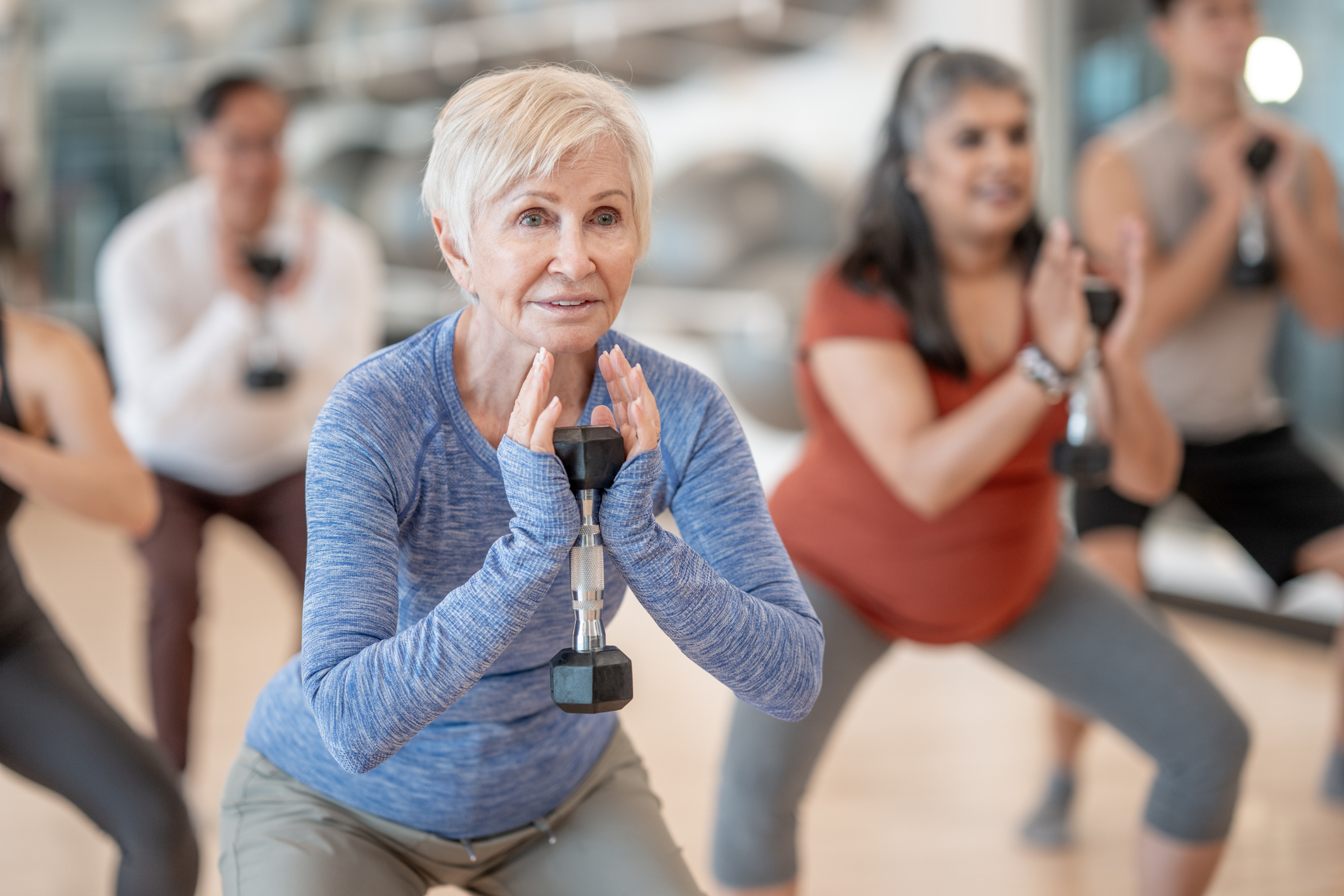
One of the most effective ways to prevent falls is to improve your body’s ability to stay steady. Strength and balance naturally decline with age—but they can be improved.
Regular physical activity can:
- Strengthen muscles, especially in the legs and core
- Improve balance and coordination
- Increase reaction time and walking stability
- Reduce fear of falling
Targeted exercises such as tai chi, resistance training, and balance-focused movements are especially effective.
For those with mobility concerns, physical therapy is one of the most valuable tools for fall prevention. A physical therapist can assess gait and balance, create a personalized exercise plan, teach safe movement strategies, and ensure mobility aids are properly fitted. This type of care is not extra—it’s central to staying safe and independent.
The Role of Proper Footwear
Footwear plays an important role in preventing falls. Shoes that are worn out, loose, or lack support can increase the risk of slipping.
Choose shoes with:
- Non-slip soles
- Low heels and a stable base
- Proper fit
- Good arch support
Avoid socks, backless slippers, or unsupportive shoes—especially on smooth surfaces. Even at home, supportive footwear can reduce fall risk.
Medication Safety and Fall Risk
Medications can contribute to falls, especially if they cause dizziness, drowsiness, or blood pressure changes. This is particularly important for older adults taking multiple prescriptions.
A medication review can help:
- Identify side effects that increase fall risk
- Prevent harmful interactions
- Simplify or adjust medications
At Community Health Alliance, patients have access to both a primary care provider and a clinical pharmacy team for one-on-one medication reviews, ensuring medications are safe and aligned with overall health goals.
Don’t Ignore Warning Signs
If you’ve experienced dizziness, difficulty walking, or a recent fall, it’s important to seek care. These symptoms may be linked to medications, vision changes, or underlying conditions.
Community Health Alliance offers same-day appointments, making it easy to get timely support. Whether you need help with balance, mobility aids, or medication review, early care can prevent more serious injuries.
A Proactive Approach to Safety
Fall prevention isn’t about limiting activity—it’s about staying active safely. With the right tools, proper footwear, strength training, and coordinated care, you can continue doing the things you love with confidence.
Taking small steps today can make a big difference in maintaining independence and well-being for years to come.
This article was featured in the May 2026 Senior Spectrum Newspaper.
Schedule an AppointmentRelated News & Events
The Human Bean Hosts Annual “Coffee for a Cure” Fundraiser…
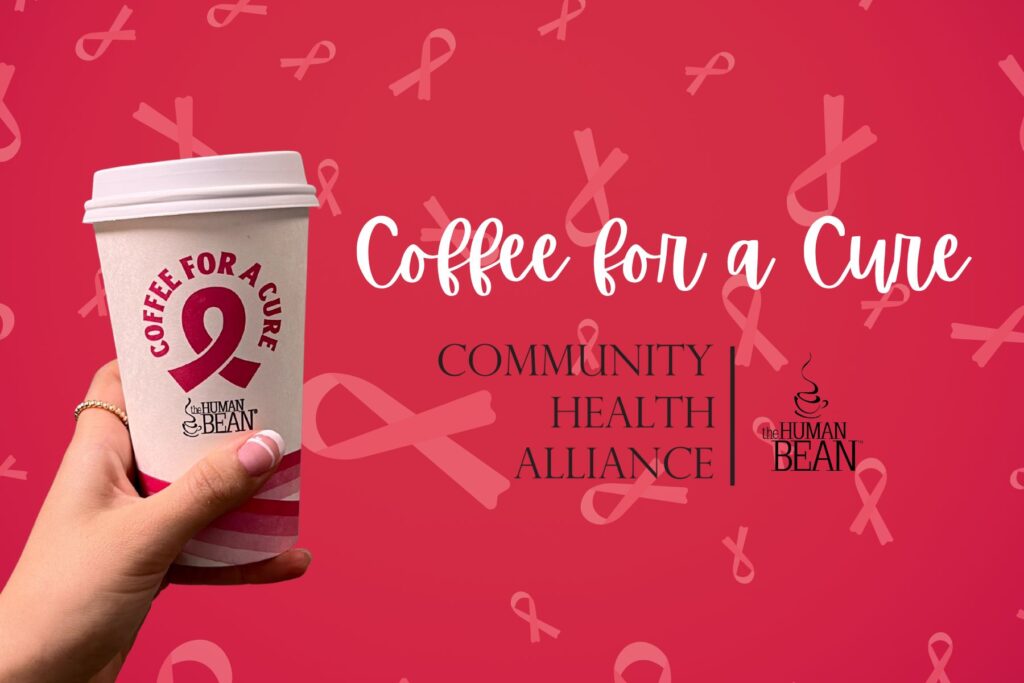
The Human Bean is once again inviting northern Nevadans to sip with purpose during its annual Coffee for a Cure fundraiser on Friday, October 16.
Read moreCommunity Health Alliance Named a Best Place for Women to…
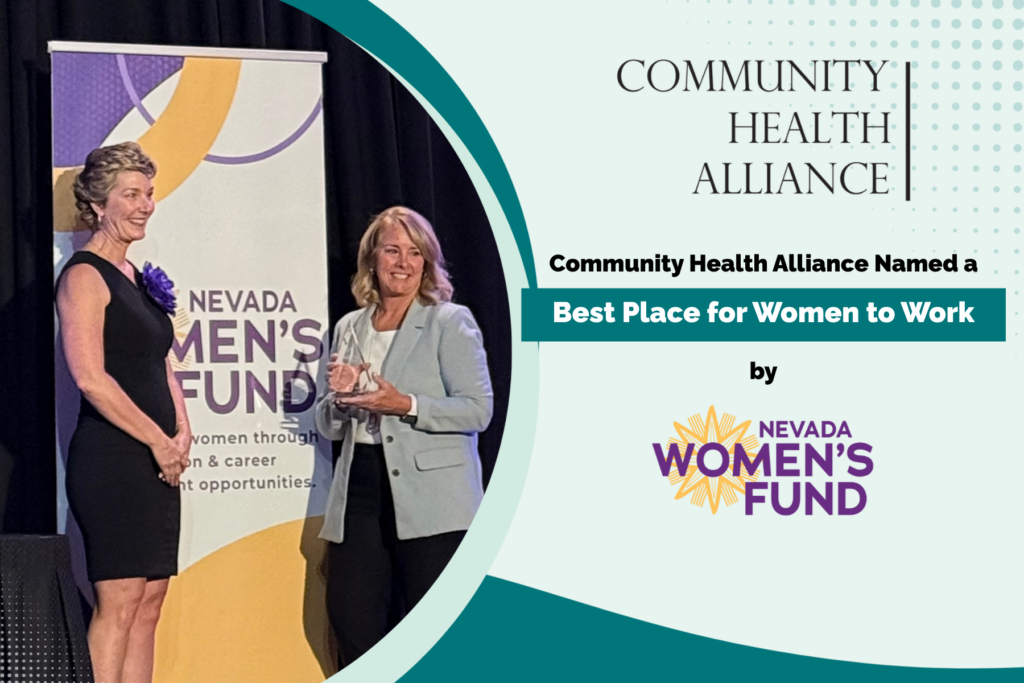
Community Health Alliance has been named a Best Place for Women to Work in the medium/large category by the Nevada Women’s Fund.
Read moreSign Up for Our Newsletter
SubscribeSign Up for Our Newsletter
By submitting this form, you are consenting to receive marketing emails from: Community Health Alliance, 680 S. Rock Blvd, Reno, NV, 89502, https://www.chanevada.org. You can revoke your consent to receive emails at any time by using the SafeUnsubscribe link found at the bottom of every email.