Healthy Eating on a Fixed Budget: A Guide for Seniors
Eating well is one of the most important ways to support your health as you age.
By: Dr. Maria Fernandez, MD, MPH, Medical Director and Physician at Community Health Alliance
Eating well is one of the most important ways to support your health as you age. A balanced diet helps maintain energy, supports the immune system, and can help manage chronic conditions such as diabetes, heart disease, and high blood pressure. However, many seniors live on a fixed income and rising grocery costs can make healthy eating feel challenging.
The good news is that with planning, smart shopping, and support from local programs, it’s possible to eat nutritious meals without overspending.
Plan Before You Shop
Planning meals ahead of time is one of the most effective ways to stretch your food dollars. Start by taking an inventory of what you already have at home. Then, look at weekly store flyers or apps to find sales on staples like beans, whole grains, lean proteins, and produce. Planning meals that use similar ingredients reduces waste and saves money.
Focus on Affordable, Nutritious Foods
Healthy food doesn’t have to be expensive. Many budget-friendly foods are packed with nutrients that support overall health. Some smart choices include:
- Whole grains: Brown rice, oats, whole wheat pasta
- Beans and lentils: Excellent plant proteins and versatile in soups or salads
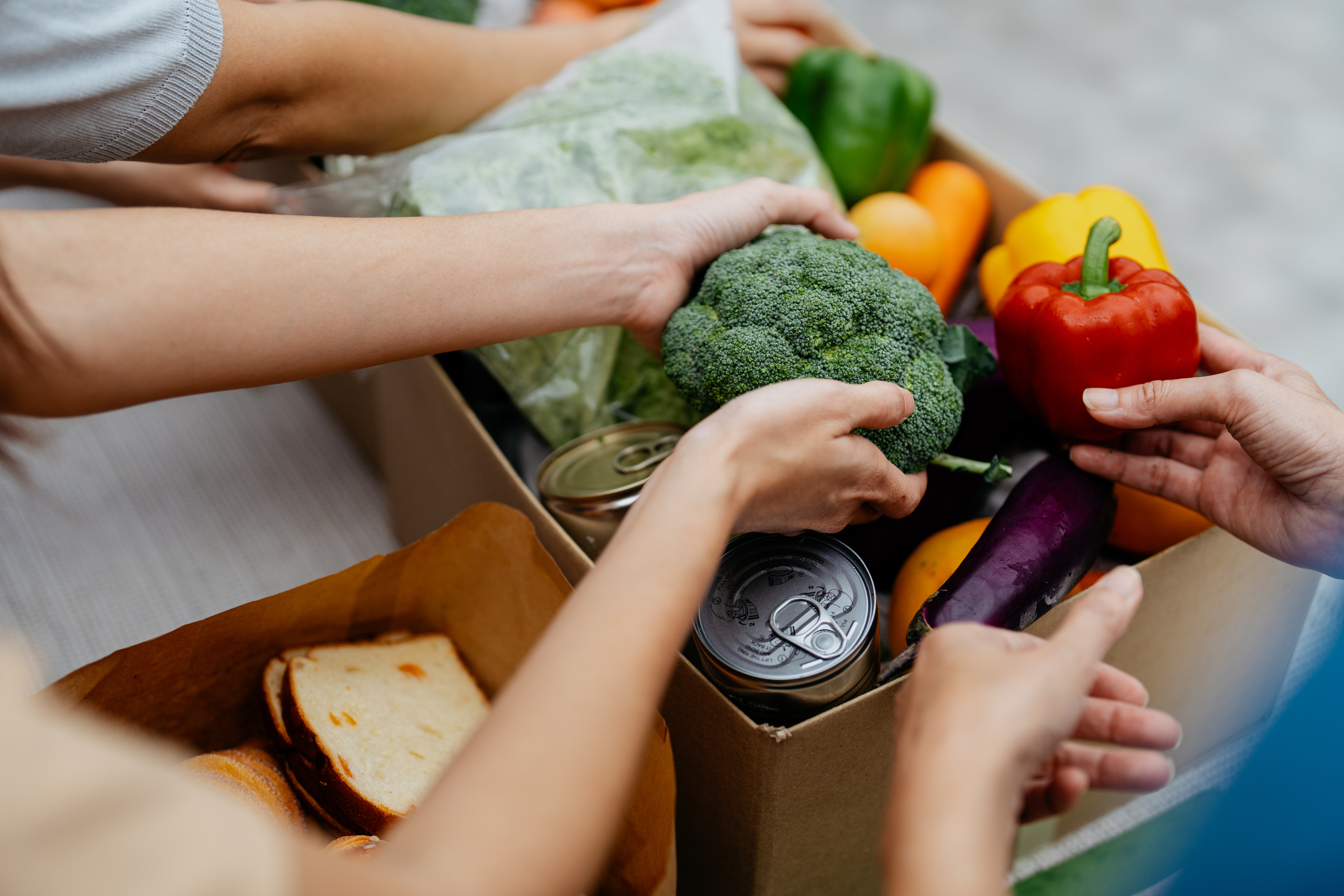
- Frozen fruits and vegetables: Often cheaper than fresh and just as nutritious
- Canned options: Choose low-sodium vegetables and fruit packed in water
- Affordable proteins: Eggs, canned tuna or salmon, chicken thighs
Preparing meals at home is also a great way to save money while controlling ingredients like salt, sugar, and fat.
How Diet Impacts Health
For many older adults, nutrition plays an important role in managing medical conditions. The foods you eat can influence blood sugar, blood pressure, cholesterol levels, and even energy levels throughout the day.
In some cases, certain foods may also interact with medications. Because of this, it’s always a good idea to talk with your medical provider about your diet—especially if you are managing a chronic condition or taking multiple medications.
A conversation with your healthcare provider can help identify foods that best support your health and narrow down grocery choices that align with your medical needs. Even small dietary adjustments can make a meaningful difference over time.
Community Resources Can Help
If affording food is a challenge, you are not alone—and there is local program at Community Health Alliance (CHA) designed to help you and your loved ones.
If affording healthy food is a challenge, you are not alone. Many local organizations offer programs that help seniors access nutritious food.
One example is CHA’s Prescription Food Pantry program, which provides healthy food options for patients experiencing food insecurity. The program currently operates at three CHA locations—Sparks Health Center, Wells Ave. Health Center, and the Nell J. Redfield Health Center in Sun Valley—with plans to expand to the Neil Road location as part of the health center’s expansion and remodel.
These pantries provide foods such as fresh fruits and vegetables, whole grains, lean proteins, and low-sodium items. Because the program is connected to healthcare services, providers can refer patients whose health conditions may benefit from improved nutrition. This “food as medicine” approach helps address both food insecurity and the medical factors that influence long-term health.
Local organizations such as the Food Bank of Northern Nevada also provide valuable support. Programs like Mobile Harvest deliver fresh produce and other perishable foods directly to high-need neighborhoods, while the Commodity Supplemental Food Program distributes monthly food boxes and fresh produce to eligible seniors.
Supporting Health Through Food
Healthy eating is not about perfection—it’s about making consistent choices that support your well-being. By planning meals, shopping smart, and taking advantage of community resources, seniors can maintain nutritious diets even on a limited budget.
If you have questions about your diet, consider talking with your healthcare provider about nutrition options that best support your health needs. Combining medical guidance with access to healthy foods can help you stay strong, active, and independent for years to come.
This article was featured in the April 2026 Senior Spectrum Newspaper.
Schedule an AppointmentRelated News & Events
Finding Her Way Back: How Integrated Behavioral Health Helps Children…

Children don’t always have the words to explain what they’re experiencing. Changes in behavior, school attendance, friendships, sleep, or family involvement can sometimes be signs that a child is struggling emotionally. That’s why access to behavioral healthcare matters.
Read moreThe Importance of Women’s Health at Every Stage of Life

Women’s health is about so much more than reproductive care. It encompasses physical, emotional, and mental well-being throughout every stage of life—from adolescence and childbearing years to menopause and beyond. Learn more.
Read moreSign Up for Our Newsletter
SubscribeSign Up for Our Newsletter
By submitting this form, you are consenting to receive marketing emails from: Community Health Alliance, 680 S. Rock Blvd, Reno, NV, 89502, https://www.chanevada.org. You can revoke your consent to receive emails at any time by using the SafeUnsubscribe link found at the bottom of every email.